
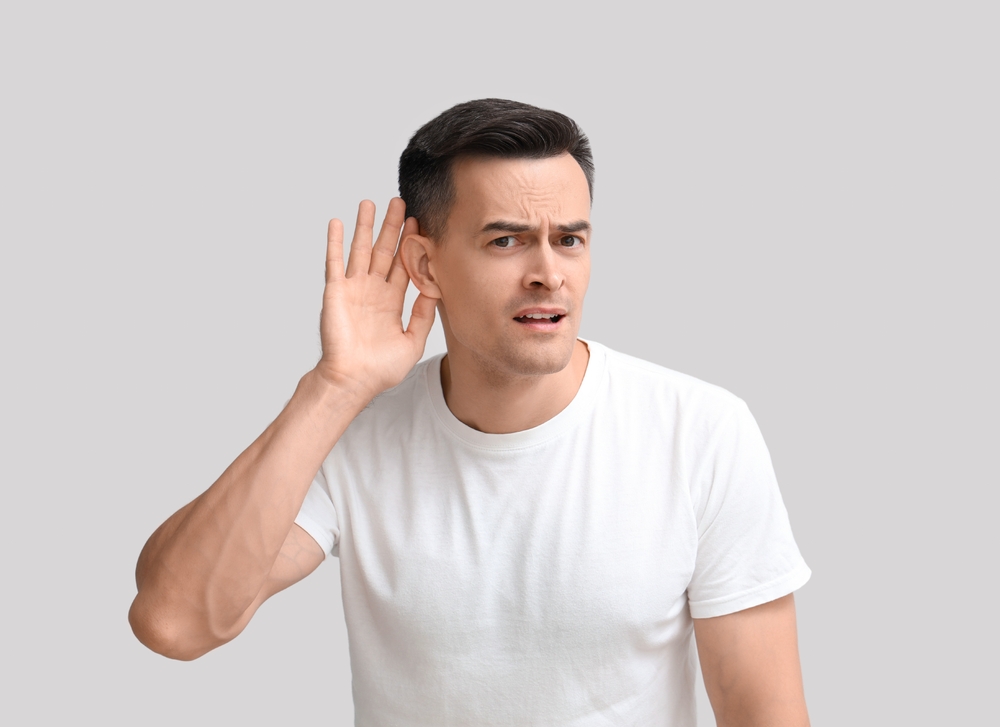
Have you ever felt totally drained after a long conversation or social gathering?
Many individuals mistakenly categorize this depletion as standard daily stress or emotional burnout. And it’s true that for introverts or people with sensory issues, social situations can be exhausting. Frequently, this specific type of burnout is actually triggered by chronic auditory fatigue.
Auditory fatigue occurs when the central nervous system must expend excessive energy to decode acoustic signals. If auditory input is degraded, the brain must engage in constant phonemic restoration to bridge the gaps in speech. Over time, this constant strain can leave you feeling mentally exhausted.
Auditory fatigue is frequently misidentified as standard physical or mental lethargy. Critically, this exhaustion is often a primary indicator of underlying auditory pathologies. Only a specialized assessment can isolate the role of hearing loss in your current energy levels. Persistent patterns of post-social exhaustion warrant a discussion regarding the impact of hearing loss.
Identifying the Core Drivers of Listening Exhaustion
Various stressors can overtax the auditory cortex, leading directly to the onset of auditory fatigue.
The Hidden Cost of Ignoring Hearing Loss
One of the most common causes is untreated hearing loss.
The inability to capture high-frequency sounds forces the brain to work double-time to interpret the message. This perpetual state of “phonemic guessing” elevates cognitive load and triggers rapid burnout during dialogue.
Noisy Environments
High-noise environments significantly exacerbate the symptoms of auditory fatigue. Loud public spaces, corporate boardrooms, and large social gatherings typically feature high levels of competing ambient noise.
When multiple sounds occur at once, the brain must filter through them to identify the important information. This intensive filtering often leads to cognitive overload, even in patients with “hidden” or sub-clinical hearing loss.
Tinnitus and Sound Distortion
Tinnitus—the perception of internal ringing—exacerbates fatigue by increasing the sheer volume of data the brain must process.
When hearing loss causes sound to arrive garbled, the brain must work with higher intensity to extract meaning.
Identifying the Symptoms of Listening Exhaustion
Auditory fatigue can affect both mental focus and overall energy levels. Patients often present with the following indicators:
- Experience of deep cognitive depletion following verbal interaction
- Difficulty concentrating during meetings or group discussions
- Headaches after long listening periods
- Feeling “on edge” or frustrated when trying to follow a conversation
- Self-isolation as a defense mechanism against listening effort
- Compulsive need for rest after navigating a noisy environment
Should these signs become habitual, they serve as evidence of excessive cognitive load.
The Neurology of Effortful Listening
Clear auditory input allows the brain to interpret sound with virtually no conscious effort. Conversely, hearing loss forces the brain to redirect energy from other executive functions to assist in sound decoding.
This state of over-exertion is technically referred to as an elevated cognitive load. This energy shift often leaves the patient struggling with recall and attention while they try to listen. Over time, this extra effort can leave you feeling mentally depleted. The effort required for even a 10-minute talk becomes disproportionately high.
Why a Hearing Test is the First Step to Recovery
Should listening effort compromise your quality of life, a clinical hearing test is the essential diagnostic tool. In the clinic, an expert will assess your ability to detect specific pitches and interpret clear speech. Specialized “speech-in-noise” testing is often used to uncover deficits that are invisible during standard quiet-room exams.
A comprehensive hearing test can determine whether hearing loss is contributing to your fatigue and help guide the next steps for treatment. Early diagnosis facilitates prompt intervention, preventing the onset of chronic cognitive load issues.
The Benefits of Audiological Rehabilitation
The right hearing treatment acts as a “pressure release valve” for the brain’s processing centers.
Advanced hearing aids utilize AI to sharpen speech signals while simultaneously suppressing irrelevant environmental noise. This allows the brain to receive clearer signals without constantly trying to fill in missing sounds.
With restored hearing clarity, you will likely see a boost in:
- A feeling of being more “awake” and present throughout the day
- Increased attention span during long discussions
- Comfort in social settings
By reducing neural over-exertion, your daily life regains its sense of ease and fluidity.
When Should You Schedule a Hearing Test?
A professional screening is recommended if you identify with these patterns:
- You experience burnout after standard verbal interaction
- You are increasingly told that you are missing parts of the conversation
- Following a group talk in a restaurant feels nearly impossible
- You find yourself “hiding” in quiet rooms during parties or meetings
Addressing hearing concerns early can help reduce listening strain and improve overall quality of life.
What You Need to Know About Auditory Fatigue
Are Fatigue and Loss Identical?
Actually, no; auditory fatigue is the cognitive result of the strain, not the physical impairment itself. That said, hearing loss remains the primary catalyst for chronic listening burnout.
Will Hearing Devices Fix My Burnout?
Yes. By improving sound clarity and reducing background noise, hearing aids can significantly decrease the mental effort required to understand speech.
Is This Exhaustion a Permanent Condition?
Most patients find that their energy returns once the listening “gap” is closed with technology.
Stop Feeling Drained After Conversations
Socializing should replenish you, not leave you feeling drained. Feeling “wiped” after a party is a signal that your brain is struggling to manage its cognitive load.
Schedule your hearing test today by contacting us today. The path to social confidence and mental clarity begins with accurate hearing data.