
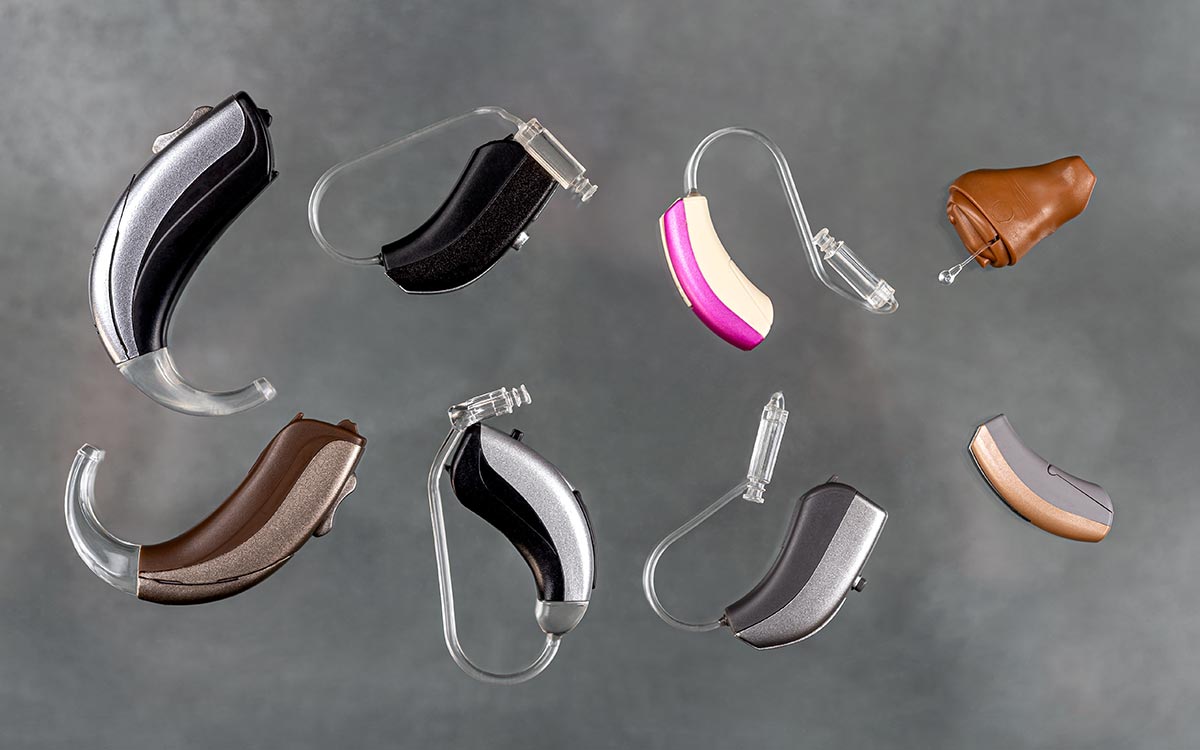
With so many options in terms of size, style, and technology, the process of picking a hearing aid can feel quite intense. Fortunately, there is a perfect hearing solution for every individual, regardless of their lifestyle or the severity of their hearing loss. The key is merely choosing the one that fits you best.
Understanding the differences among the most popular types of hearing aids can help you feel more informed and confident as you explore your options. In this breakdown, we glance at current styles and the unique characteristics that define them.
ITC (In-the-Canal) Hearing Solutions
The Definition:
ITC hearing aids sit partially in the ear canal, with a small portion visible at the outer ear.
Why users choose them:
- Less noticeable than conventional full-size models
- Individualized molding guarantees long-term wearing comfort
- A useful option for those with moderate hearing needs
ITC devices offer a good balance between visibility and functionality, making them an ideal choice for first-time users.
Ultra-Discreet IIC Devices
What they represent:
As the most compact custom option, IIC aids represent the smallest available style. They rest deep inside the ear canal and are virtually invisible when worn.
Why they are popular:
- Maximum aesthetic discretion
- Microphone depth helps mimic the ear’s natural sound collection
- So light and small that users frequently don’t notice they are wearing them
Due to their small stature, these aids are generally recommended for low-to-mid-range hearing loss and users who want total invisibility.
Full and Half-Shell ITE Options
The Fundamentals:
ITE devices are constructed to stay in the outer ear area, offering two different shell sizes based on your anatomy. These are custom-fabricated for a precise match based on your ear’s anatomy.
Why users choose them:
- An appreciably larger frame accommodates advanced tech and more powerful batteries
- The physical size is simpler to hold and adjust for users with fine motor concerns
- Powerful enough to provide enough power for extreme hearing needs while remaining in-the-ear
Many people pick ITE devices because they offer an integrated, self-contained design that doesn’t hook over the ear.
Traditional Behind-the-Ear (BTE) Units
What they represent:
Positioned firmly on the back of the ear, BTE models sit on the outer ridge. Audio moves into the ear canal through a small tube or custom earmold.
Common Reasons:
- Regarded as one of the most dependable and sturdy designs available
- Can be programmed to help users with everything from mild to profound loss
- The size provides ample space for the latest connectivity features and rechargeable hardware
For those who value a reliable device that is easy to manage and provides plenty of volume, BTE is a top choice.
RIC (Receiver-in-Canal) Overview
Design Specs:
In an RIC model, the speaker is separated from the main housing and placed inside the canal via an ultra-fine wire.
Key Pros:
- Provides a remarkably crisp and lifelike listening experience
- The ultra-thin design is both light and nearly effortless to wear
- Flexible enough to address an extensive range of hearing impairments
RIC units are extremely common currently because they balance appearance with powerful functionality.
Extended-Wear Hearing Aids
Usage Summary:
An audiologist inserts these specialized hearing aids deep into the canal, where they stay for multiple weeks.
The Draw:
- Provides an effortless journey with no daily maintenance required
- Sitting low in the canal makes them completely hidden from view
- Designed to be worn throughout everyday activities, including sleeping and exercising
If you prefer a hearing solution that requires zero daily thought, the extended-wear style is perfect.
Smart Hearing Aids with Bluetooth
What they represent:
Auditory aids with wireless connectivity that sync with smartphones, tablets, computers, and sometimes TVs.
Why go cordless:
- Turn your hearing aids into cordless earphones for all your favorite audio
- Allows for quick, subtle adjustments to your hearing aids through digital software
- Enhances daily life by making technology interaction seamless and clear
This wireless technology is located in most modern behind-the-ear and in-the-canal models.
Surgically Placed Middle-Ear Systems
Design Overview:
A surgical solution that works by shaking the tiny bones inside the ear to provide amplified audio.
Who they are for:
- Provides a solution for patients with anatomy that prevents the use of conventional aids
- Solves the issue of canal discomfort caused by regular hearing aids
Candidates for middle-ear implants should undergo a comprehensive evaluation by an expert specialist.
Finding the Hearing Aid That Fits Your Life
There is no one single “best” hearing aid; rather, there is an optimal one for you, determined by your medical needs and personal comfort. By visiting an expert, you can investigate various models and see which one feels most natural to you.
Start moving toward a world of better sound by arranging an appointment with a hearing specialist. This simple step is the foundation for improved hearing and better connections with those around you.
Sources:
https://www.mayoclinic.org/diseases-conditions/hearing-loss/in-depth/hearing-aids/art-
20044116
https://www.hearinglife.com/hearing-aids/types
https://www.nidcd.nih.gov/health/hearing-aids