
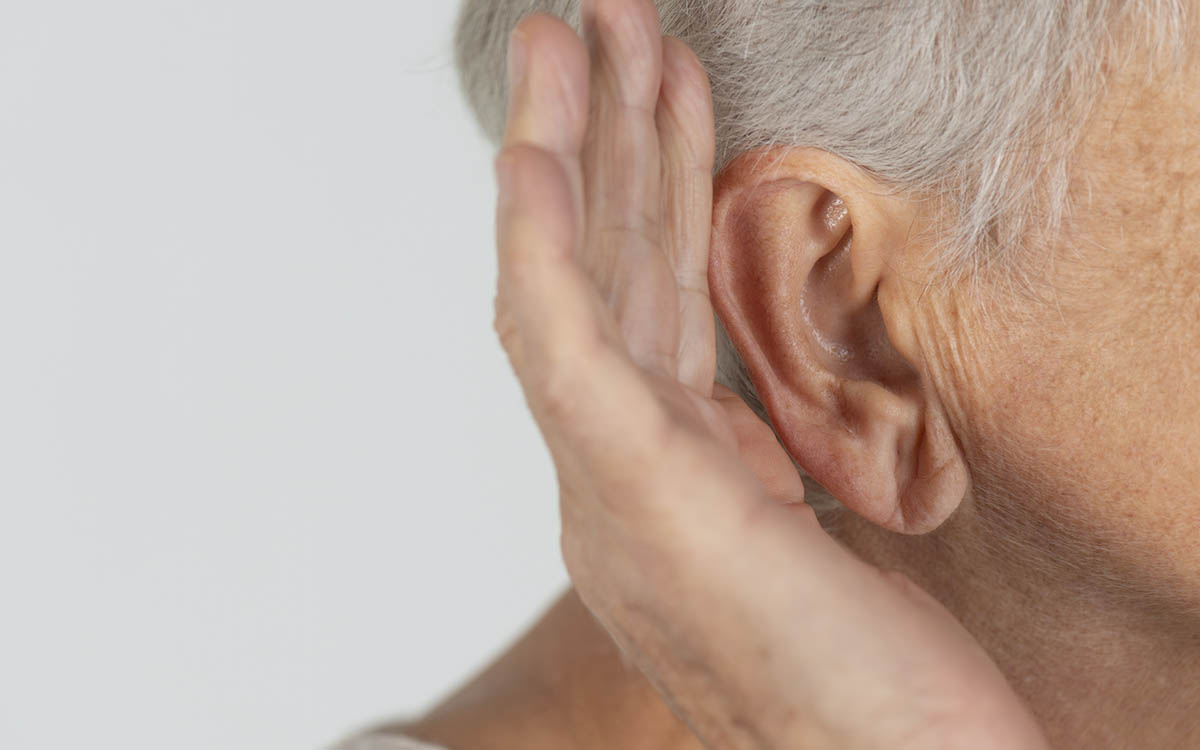
Most people associate hearing loss with advancing age, though for a significant portion of the population, ear injury manifests significantly sooner. As one of the most prevalent and avoidable types of auditory impairment, noise-induced hearing loss typically progresses slowly, advancing subtly and remaining undiagnosed until the clinical effects are permanent.
Understanding how noise exposure impacts your ears over time allows for preventative measures before substantial hearing loss manifests.
What Is Sound-Triggered Hearing Loss: A Pathophysiological Analysis
Noise-induced hearing loss is characterized by the degradation of intricate inner ear components. As reported by the CDC, sustained or frequent exposure to sounds exceeding 85 decibels, such as heavy traffic, can initiate auditory damage. Intense noise sources, specifically firearms or industrial tools, can compromise hearing integrity within a very brief timeframe.
Within the cochlea are specialized sensory structures referred to as hair cells. These cells convert sound vibrations into electrical signals that your brain interprets as sound. Once damaged, hair cells do not regenerate, making this form of hearing loss a lifelong auditory deficit.
How Auditory Trauma Advances Over Time
A primary clinical concern regarding noise-induced hearing loss is its typically slow rate of progression. Early-stage symptoms resulting from noise exposure often include:
- Occasional instances of Tinnitus, characterized by ringing or buzzing sounds
- Post-exposure auditory dullness or perceived muffling of sound
- Challenges involving speech comprehension within high-noise settings
While these preliminary indicators may dissipate, this should not be mistaken for complete physiological recovery. Despite the lack of symptoms, persistent noise exposure causes cumulative injury to the ear, slowly reducing hearing clarity and sensitivity over time.
The Hearing Loss Association of America reports that approximately 48 million Americans experience some degree of hearing loss, many unaware of the underlying cause.
Common Environmental Noises That Can Cause Auditory Injury
In our modern environment, individuals often develop a tolerance or desensitization to high-volume sounds. As a result, many individuals remain unaware of the clinical prevalence of damaging noise exposure.
Typical noise-generating sources consist of:
- Professional music performances and concert environments
- The use of headphones at unsafe volume settings
- Industrial tools, lawn maintenance equipment, and motorcycles
- Occupational noise exposure within the construction or manufacturing sectors
Due to the routine nature of these sounds, auditory injury may accrue in the absence of overt symptoms.
The Critical Role of Auditory Prophylaxis
Noise-induced hearing loss is physiologically irreversible, unlike many other health impairments. Despite its permanence, the condition is significantly preventable. Adopting straightforward preventative behaviors can markedly decrease the likelihood of injury, including:
- Using earplugs or noise-reducing earmuffs in loud environments
- Lowering headphone volume and following the “60/60 rule”
- Implementing quiet intervals to permit the auditory system to rest
- Maintaining regular clinical screenings and Audiology visits
When to Schedule Expert Audiology Services
If you notice persistent ear ringing, difficulty following conversations, or changes in hearing clarity, you should seek evaluation from a hearing professional. Early intervention through an Audiologist allows for the monitoring and implementation of essential protective measures.
Implementing protective measures today safeguards your auditory capacity for the years ahead. While environmental noise is often inevitable, hearing loss is a preventable outcome. Please contact our clinic to arrange a professional consultation regarding your auditory health.