
When your hearing feels dampened, it can impact your daily schedule and leave you feeling detached from your environment. While the fear of lasting hearing damage is a common first response, the true source is frequently a simple collection of earwax.
Knowing how to tell these two conditions apart ensures you obtain the appropriate care, whether that is safe cerumen extraction or a diagnostic hearing test. There is no need to feel stressed if sounds seem muted. A clinical evaluation will deliver the final answer, but the following guide details the main variations between wax-related issues and permanent loss.
Identifying the Symptoms of Canal Obstruction
Your ears produce wax as a natural protective process to preserve integrity and keep debris away from the eardrum. The trouble begins when this substance accumulates to the level of a physical obstruction.
Typical markers of an obstruction involve:
- Progressive or abrupt muffled hearing
- A sensation of fullness or clogging in the ear
- Canal irritation or slight pain
- Constant humming or ringing sounds
- Auditory sharpness that shifts or improves momentarily with chewing
Cerumen-based hearing issues are often uneven, impacting one ear rather than the other. The positive aspect is that clinical removal usually results in an instant restoration of your original hearing capacity.
What Hearing Loss Feels Like
Permanent hearing shifts, often caused by aging or loud environments, are gradual and persist even if the ear is completely clean.
Standard indicators of clinical hearing impairment consist of:
- Difficulty understanding speech, particularly in noisy environments
- Often needing repetition during everyday dialogue
- Turning up the television or phone audio louder than people desire
- Reduced responsiveness to higher-pitched auditory signals
- A symmetrical decrease in hearing ability in both sides
Contrasted with earwax buildup, hearing loss doesn’t usually induce a feeling of obstruction or fullness.
Contrasting Wax Buildup and Hearing Loss
Several basic signs can help you ascertain whether you are contending with a treatable blockage or a more permanent change:
- Timing: Earwax issues often appear suddenly; hearing loss develops slowly
- Permanence: Obstructions are a fast fix, while sensorineural loss requires ongoing management
- Markers: Pressure suggests a blockage; difficulty with speech clarity points to impairment
- Sides: One-sided dull sound suggests wax, while both sides point to impairment
Why Professional Consultation is Necessary
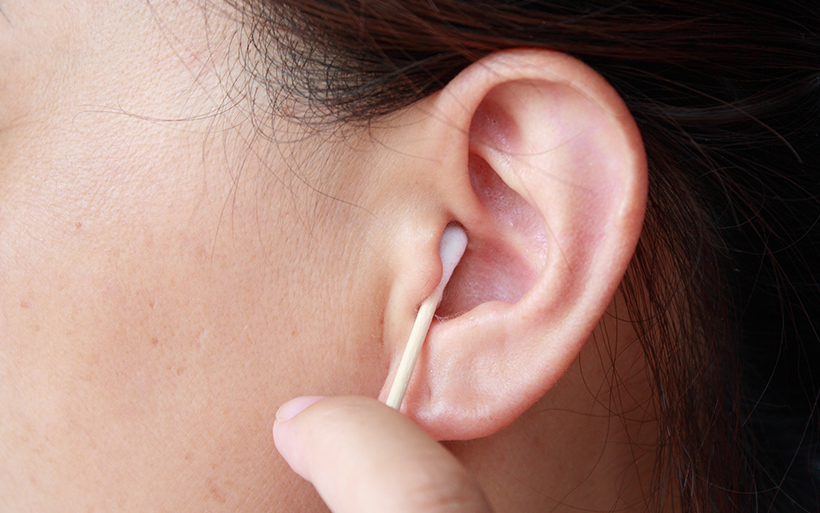
Numerous people make the error of attempting to clear a suspected blockage manually using probes or home tools. Using external objects typically pushes the obstruction further into the canal, increasing the risk of trauma.
Medical data indicates that self-cleaning often leads to unintended damage or more difficult-to-treat impactions.
Similarly, neglecting early auditory decline can delay care that assists in maintaining communication, security, and well-being.
What to Anticipate During a Formal Consultation
A quick professional exam is the only way to verify if cerumen is truly the cause of your muffled hearing.
If wax is found, clinical removal often resolves signs on the spot.
When the canal is clear but auditory input remains muffled, a clinical assessment is necessary to evaluate your hearing integrity.
The NIDCD advises prompt evaluation anytime changes in hearing interfere with your everyday life.
Choosing the Right Solution for Better Sound Quality
Muted sound is hardly a definitive sign of chronic loss.
In many cases, earwax buildup is the source, and it’s highly treatable.
A clinical evaluation will provide you with the answers you require to advance without concern.
Keep in mind that self-diagnosis is hardly a replacement for a professional check-up when it pertains to your auditory health.
Finding answers promptly can avert unnecessary worry and guarantee you receive the appropriate treatment at the right moment.
If your hearing feels off, don’t guess. A quick check can make all the difference, so contact our team of clinicians today.