March 7, 2025

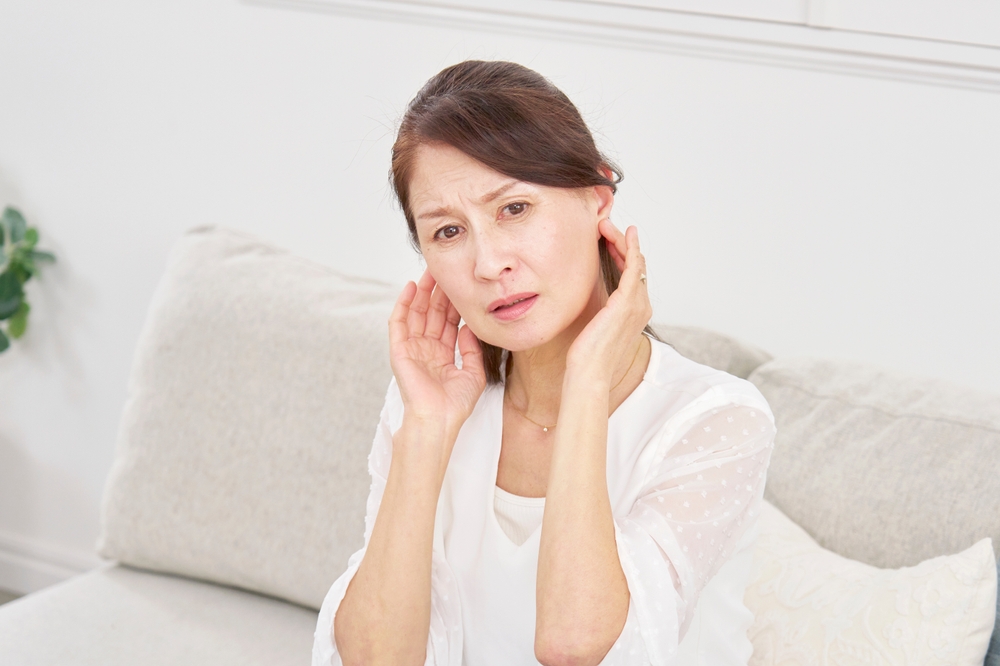
Elderly,Woman,With,Sudden,Sensorineural,Hearing,Loss

Sudden Hearing Loss: Common Causes and When to Seek Care

Waking up one morning and suddenly realizing that you cannot hear normally can be frightening. Sudden hearing loss can occur without pain or warning, making the experience especially alarming. While some causes may be temporary and treatable, sudden hearing loss can also signal a medical emergency that requires prompt evaluation. Recognizing the possible causes of

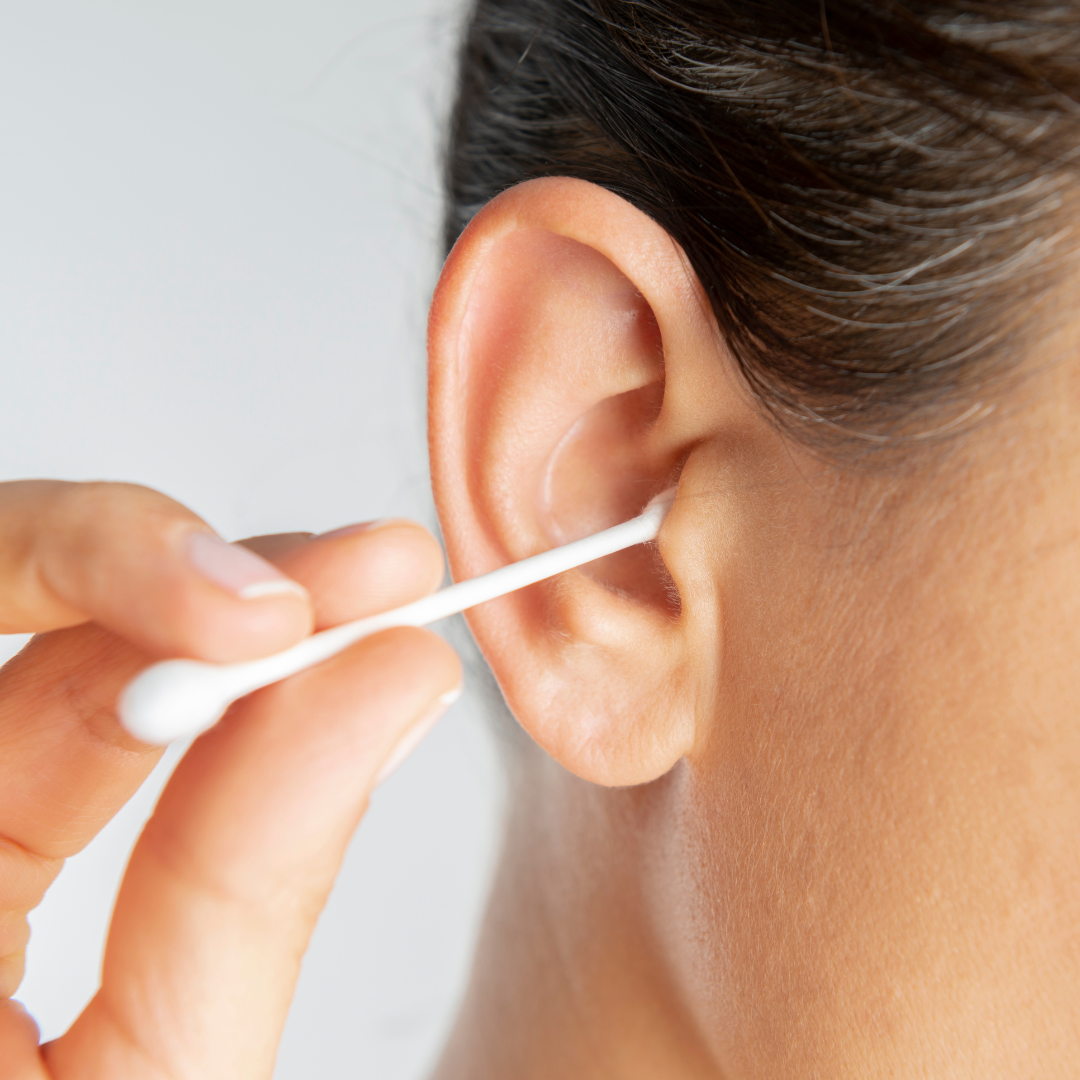
Q-Tip

Earwax Removal: Why Q-Tips Can Be Harmful and What to Do Instead

Many people view cotton swabs, commonly known as Q-Tips, as convenient tools for cleaning the ears. However, inserting them into the ear canal can interfere with the ear’s natural cleaning process and cause injury. In most cases, healthy ears do not require routine or aggressive cleaning. When earwax becomes impacted or causes symptoms, professional evaluation

BPPV

Why Positional Dizziness Happens When Lying Down: The BPPV Guide

You roll over in bed, tip your head back to look up at a shelf, or bend down to tie your shoe — and suddenly the room spins. If this sounds familiar, you may be experiencing Benign Paroxysmal Positional Vertigo, or BPPV, one of the most common causes of dizziness triggered by changes in head

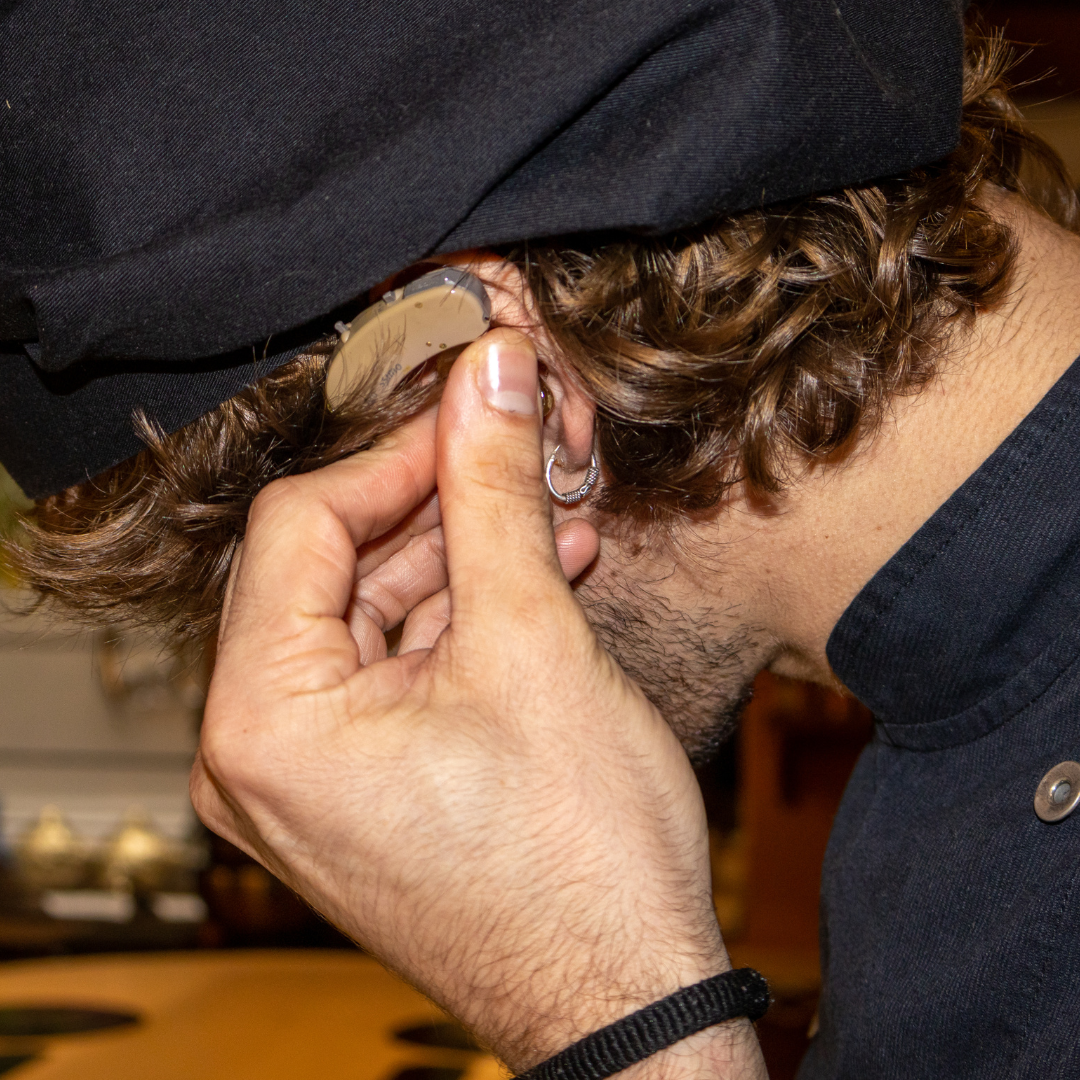
Why Your Hearing Aids Could Be Causing Unwanted Headaches

Modern hearing aids aim to effectively treat your individual hearing loss profile. Irrespective of whether you are new to prescription hearing aids or are a veteran wearer, if your hearing aids produce headaches or lingering aches, a clear fix is available. A well-adjusted hearing aid will sit comfortably within your ear while yielding optimal acoustic

Why Is My Tinnitus Louder at Night?

After enduring a long, exhausting schedule, crawling into bed for restful slumber is all you want. You finally climb into bed, the house goes quiet, and that’s when it happens: The ringing in your ear is suddenly impossible to ignore. Should your phantom ear noises seem much more severe at bedtime, rest assured that this

Modern Auditory Devices: Redefining Appearance, Comfort, and Discreet Design

A primary reason individuals put off addressing auditory deficits is the assumption that assistive devices will be unsightly or awkward to wear. Historically, old-fashioned hearing hardware was bulky, obvious to onlookers, and closely linked with the stigmas of aging. Regrettably, some people even experienced social alienation because acquaintances falsely assumed that wearing a visible aid

How to Pay for Hearing Aids: HSA, FSA, Insurance & Financing Options

For individuals evaluating advanced auditory technology, the upfront capital required is frequently the first noticeable factor. Based on the sophistication of the digital signal processing and the required audiometric programming, these devices span a wide pricing spectrum. Such a capital requirement often surprises families, leading them to prematurely halt their pursuit of better auditory health.

Understanding Medicare Coverage for Hearing Aids: The Reality

Is coverage for hearing aids available through Medicare? The simple answer is no. Original Medicare does not cover hearing aids. We know that’s not what most people want to hear, and that many patients are surprised by this. Luckily, that isn’t the end of the discussion. Different avenues—including Medicare Advantage, payment plans, and extra benefits—can

Can Headphones and Earbuds Cause Hearing Loss?

We seldom encounter a teenager or young adult who isn’t currently using a personal audio device. While traditional headphones are more substantial in size, adolescents frequently utilize them to create a private acoustic environment. The appreciation for music is a cross-generational trait, yet younger individuals often depend on it for constant background stimulation. Does the

Beyond the Ears: Decoding Cognitive Hearing Loss and Brain Function

It is a widespread misconception that hearing begins and ends with the ears, but the reality is more complex. Clinical evidence shows that auditory processing is a bilateral effort between the peripheral ears and the central nervous system. Cognitive hearing represents the neurological bridge between detecting a frequency and understanding a message. As an illustration,

How Hearing Aids Stimulate the Brain and Support Cognition

Everybody knows that hearing is something your ears do. What we think less about is the role our brain plays in hearing. While the ears capture raw acoustic vibrations, the brain performs the heavy lifting of decoding them into language and thought. As hearing loss diminishes input, the brain struggles to maintain a high-fidelity connection

What is Auditory Fatigue?

Have you ever felt totally drained after a long conversation or social gathering? Many individuals mistakenly categorize this depletion as standard daily stress or emotional burnout. And it’s true that for introverts or people with sensory issues, social situations can be exhausting. Frequently, this specific type of burnout is actually triggered by chronic auditory fatigue.